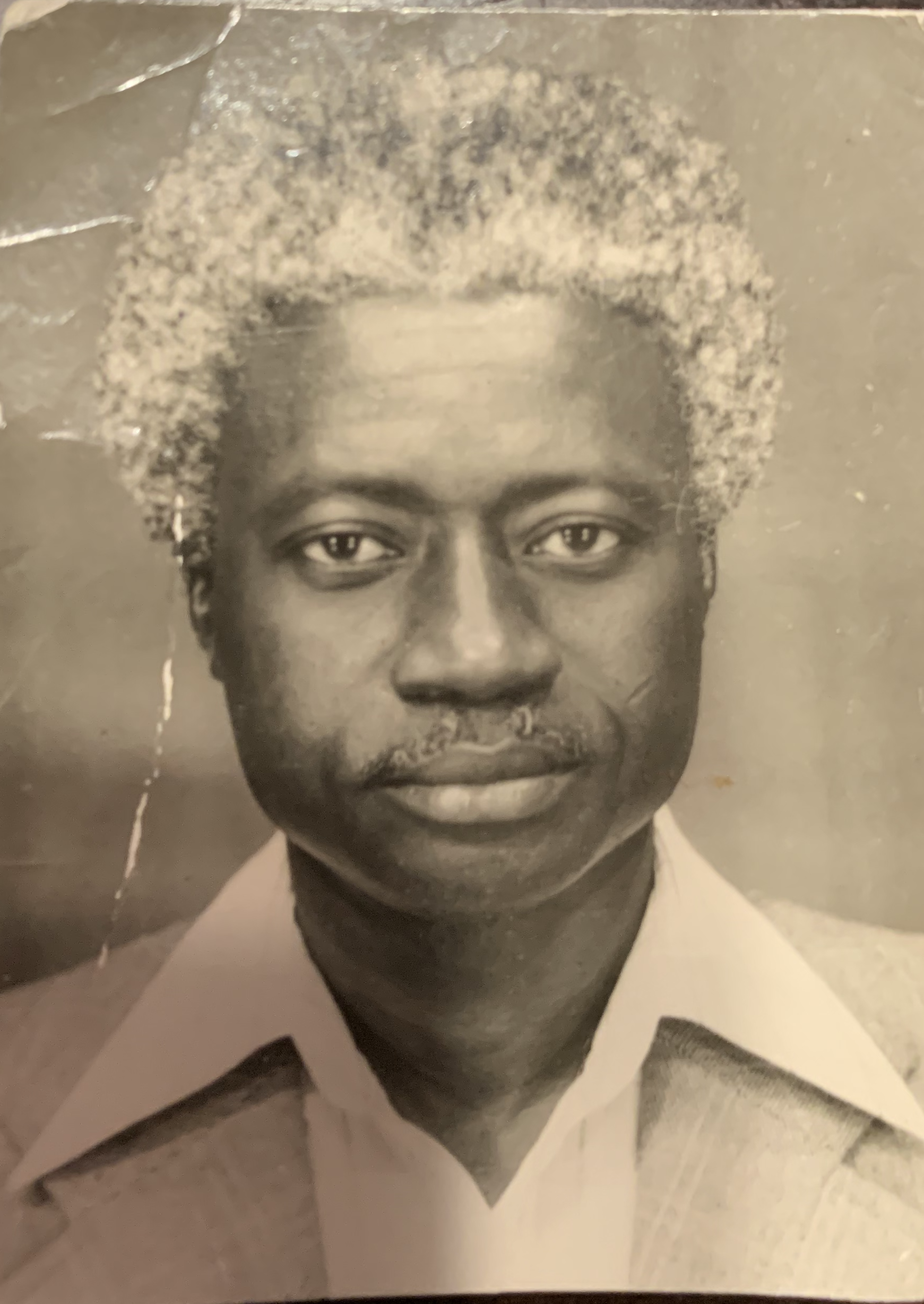
A man of quiet wisdom, unshakeable dignity, and deep roots. Born in Akropong, he carried the spirit of the Akan people across generations and oceans. His counsel was sought by many; his laughter is remembered by all.
Viewing (optional)
Funeral service
Reception
Thanksgiving celebration
A celebration of a life well-lived, held in the tradition of our people.
Service is streaming — click to join
The streaming link will be shared here once confirmed by the service provider. Please check back closer to the date.
If you'd like to send flowers, the florists below are local to the service and can arrange delivery. There is no obligation — your presence alone is a gift to the family.
- 01Gathering MusicClassical Arrangement
- 02Call To OrderRueben Darko
- 03Procession
- 04InvocationPastor's Welcoming Message/Prayer - Pastor, Danny Newbern
- 05Music DedicationAliah Aiken - Amazing Grace
- 06Scripture ReadingPsalm 23 - Noah Kwayisi
- 07Obituary ReadingBenjamin Kwayisi Jr
- 08HymnBlessed Assurance
- 09Music DedicationAliah Aiken - You Raised Me Up
- 10Scripture ReadingIsaiah 40:28-31 (For His Aviation Roots & Resilience) - Cairo Kwayisi
- 11SermonPastor, Danny Newbern
- 12Ghanaian Music DedicationJuliet Tetteh-Hago
- 13EuologyPeter Onen
- 14TributesFamily, Friends, Colleagues
- 15Thank You MessageGolda Kwayisi
- 16Closing hymnRock of Ages
- 17Closing Slideshow and Pallbearer Gathering
- 18Committal & benediction
For guests who may be less familiar with Akan funeral traditions, the following is offered as a guide to honor the family and participate with cultural awareness.
When a person dies past the age of 70, the dress code shifts to black and white. White honors a long life fully lived — a cause for celebration, not only grief. For deaths past 90, white may be worn even more prominently.
The Thanksgiving celebration, held the day after the funeral, is a joyful occasion. White is worn to celebrate the journey of the soul and give thanks for the life shared.
The Thanksgiving ceremony (sometimes called the 'final funeral rites') is held the day after the burial. It is a celebration — food, music, dancing, and gathering — to give thanks for the life of the deceased and to formally release the family from mourning. It is considered as important as the funeral itself.
The Akuapem are a sub-group of the Akan from the Eastern Region of Ghana, with Akropong as their traditional capital. They are known for their Presbyterian heritage, their role in the translation of the first Twi Bible, and their community in the diaspora particularly in the American South. When Akuapem elders die, their homegoing is attended with great ceremony.

The most widely known Adinkra symbol. It represents the supremacy and omnipotence of God — that nothing exists or happens outside of God's knowledge and will. It appears at births, funerals, and rites of passage.

Depicted as a bird looking backward, Sankofa teaches that it is not wrong to go back and reclaim what was left behind. It is a symbol of learning from the past. "Se wo were fi na wosankofa a yenkyi" — It is not wrong to go back for what you forgot.

This symbol of twisting and turning represents the ability to adapt to life's changing circumstances. It is a symbol of initiative, dynamism, and versatility.

The ram's horns symbol represents the combination of strength and humility. Even the strong must practice humility. This speaks to the character of elders who lead through service.
Please let the family know you will be joining them. Select every event you plan to attend — your presence is a comfort and an honor.